Coverage direction
13×4 · 13×6Choose the frontal direction from the required parting depth, hairline use and styling brief; confirm the actual outline by project.
Custom frontal collection · Made to order
Develop the frontal coverage, parting depth, hairline and temple direction, actual lace, cap relationship and hair specification as one approval-ready product brief.
100% human hair · 13×4 / 13×6 directions · MOQ from 1 piece
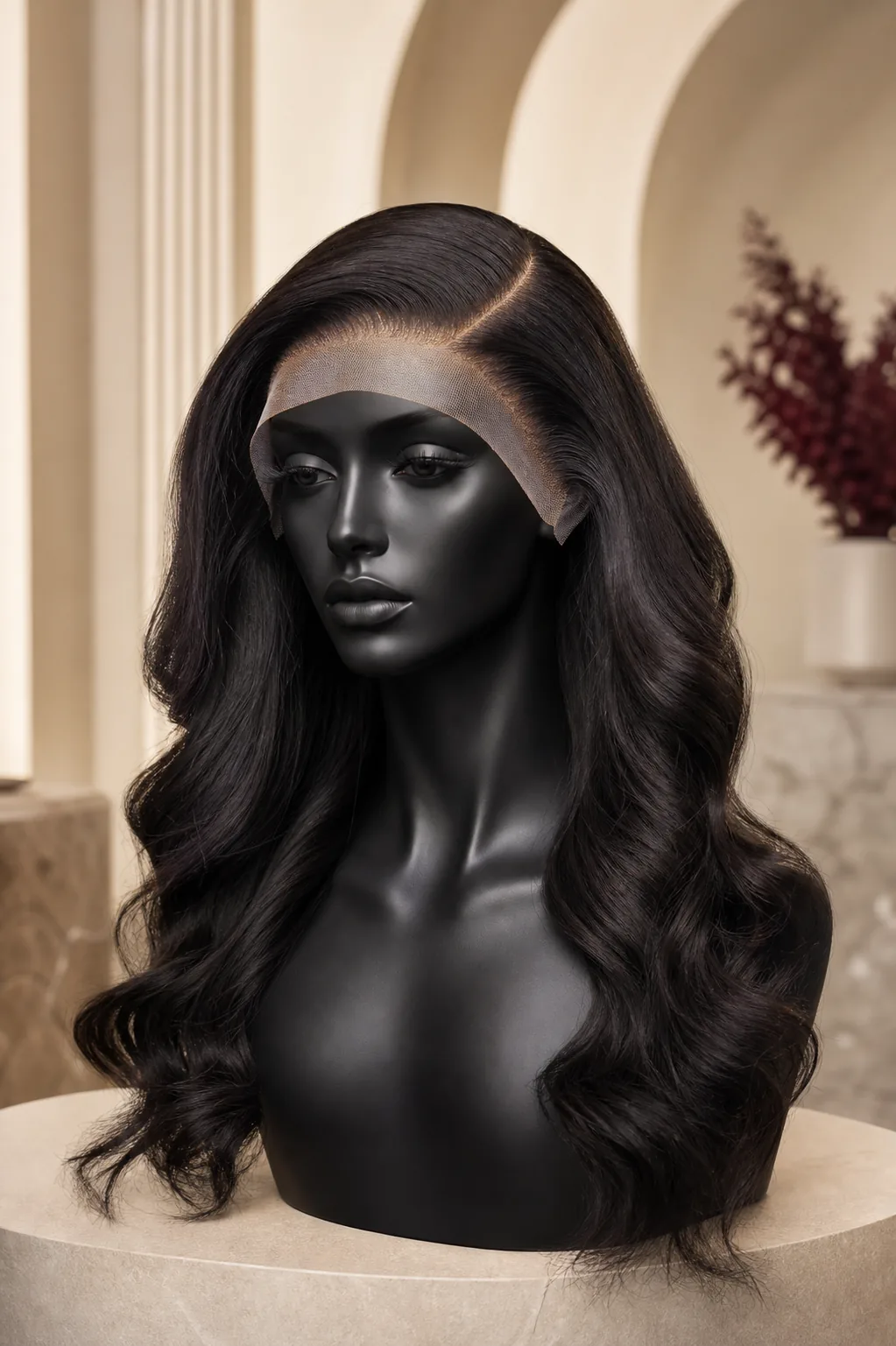
Frontal product study
Use each view for a different buyer decision: front direction, side silhouette, back distribution, wearing proportion, lace context and frontal-to-cap relationship. Exact physical-sample evidence is still required before approval.
Swipe to inspect all 6 references
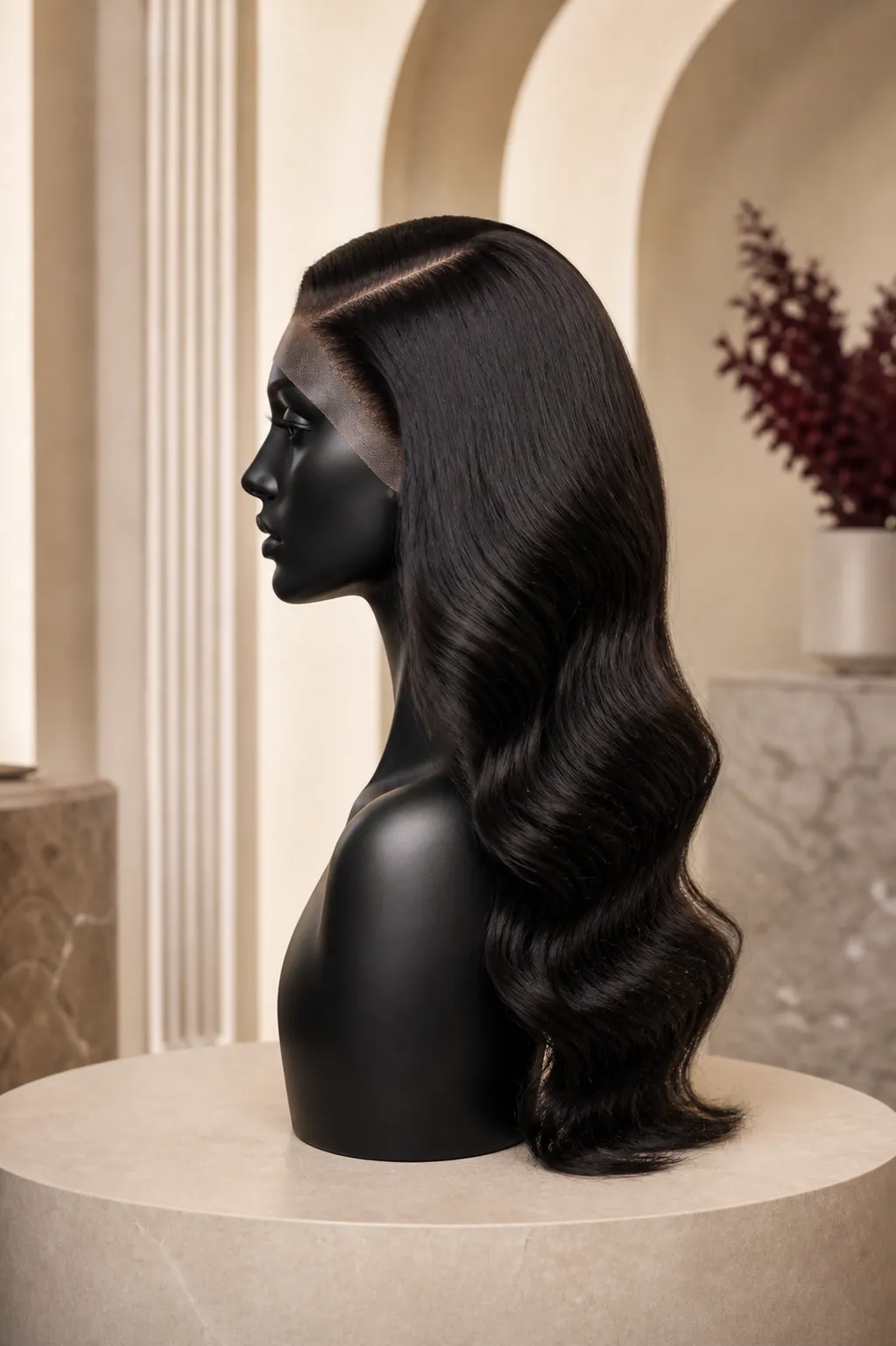
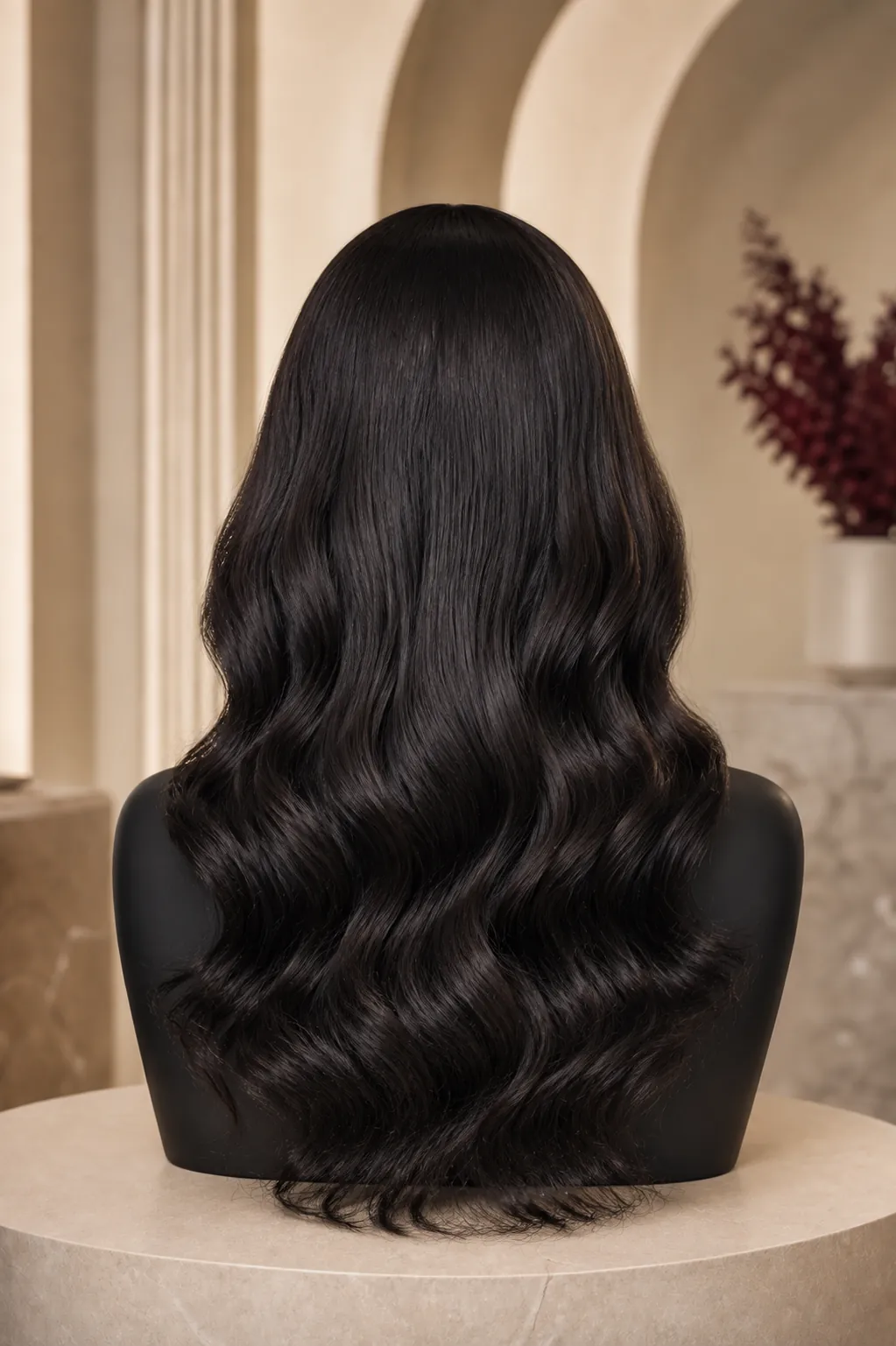
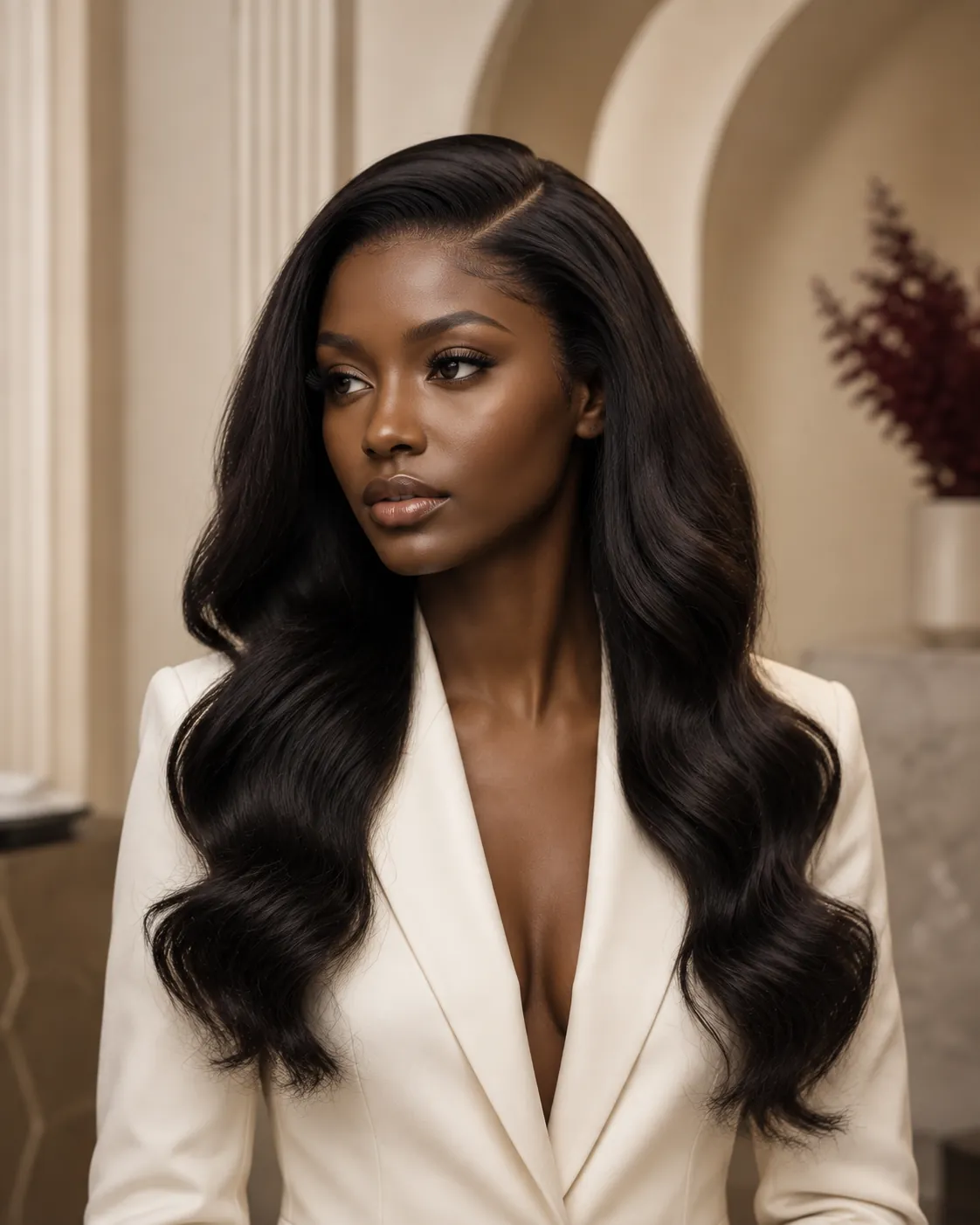
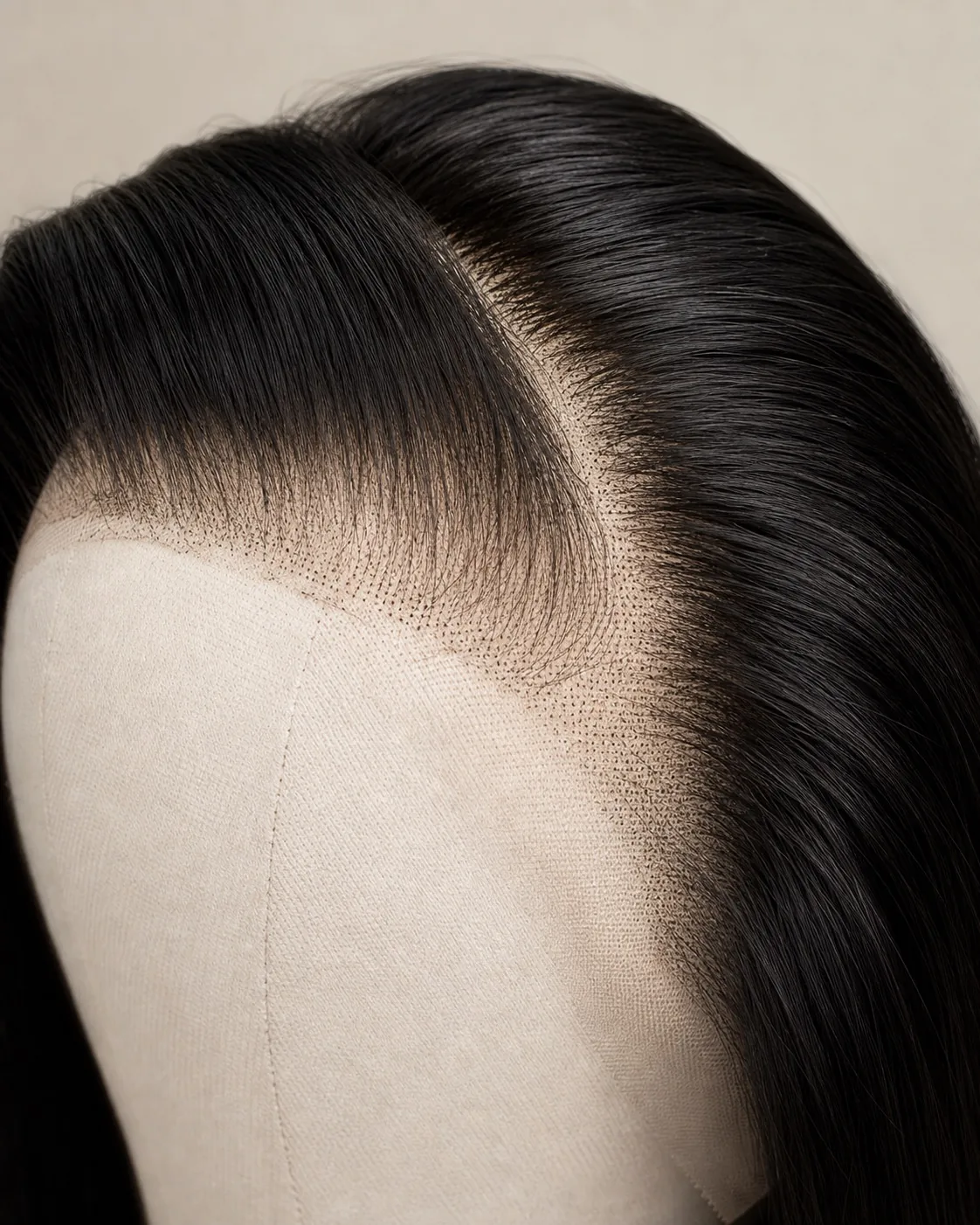
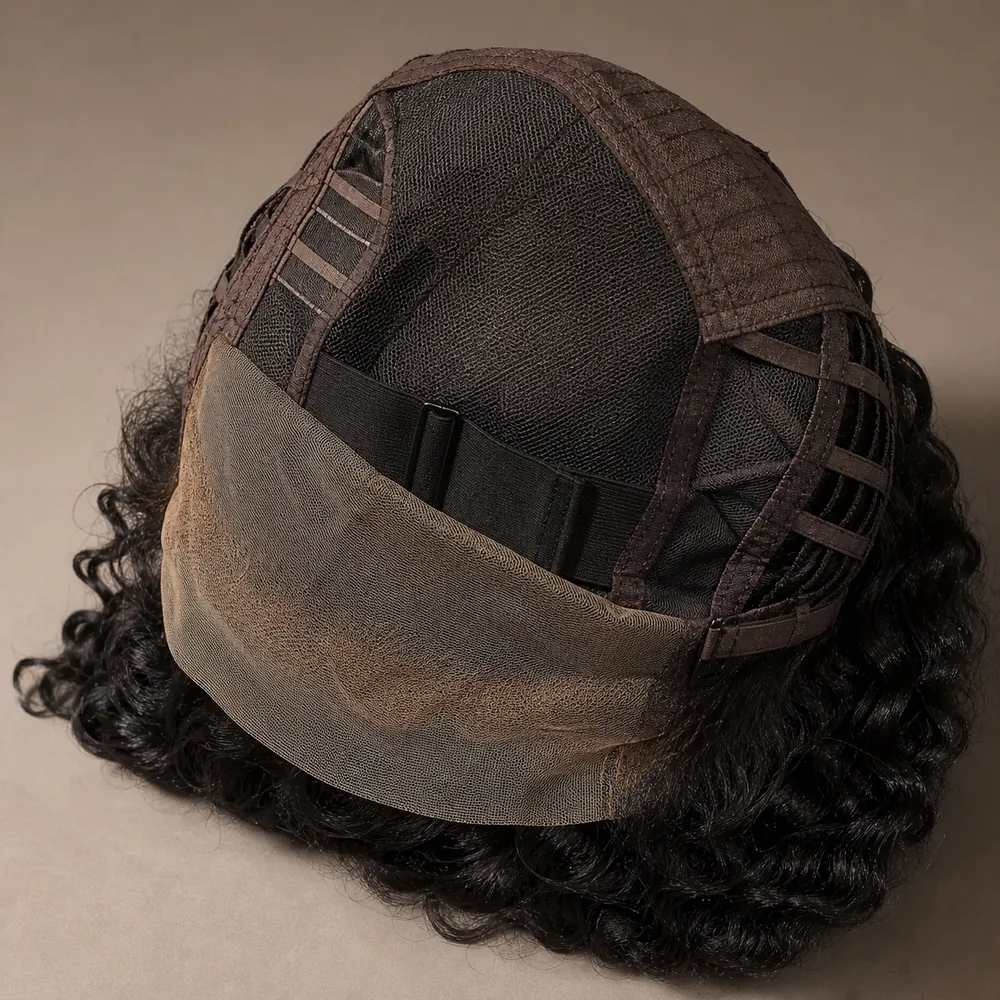
The primary, side, back and wearing images are AI-assisted development or proportion directions based on the approved Frontal visual direction. The lace and cap images are generic discussion references. They are not one physical sample, customer result or proof of exact 13×4/13×6 dimensions, lace, knots, cap hardware, measured density or length. Request exact front, top, both-temple, side, back and inside-cap records for the paid sample before approval.
Frontal-wig options
Wider lace coverage creates more connected approval points. Define each one instead of expecting the 13×4 or 13×6 label to specify the whole product.
Choose the frontal direction from the required parting depth, hairline use and styling brief; confirm the actual outline by project.
Send front and both-temple references so the complete edge is assessed rather than one center crop.
Record the intended part and styling use. A 13×6 label does not automatically prove every parting direction.
Material, shade and coverage remain separate decisions and are reviewed under consistent lighting.
State the expected knots, hairline preparation, baby-hair or pre-cut direction; no treatment is assumed from the size label.
Provide cap size or measurements, adjustment requirements and intended securing preference for the complete construction.
Regular lengths and density starting points are judged with texture, color, crown, side balance and ends.
Approve one paid sample first. Labels and packaging can be discussed separately by selected item.
Your development brief
Turn “13×4” or “13×6” into a written record that a brand can inspect, revise and approve before planned repeat production.
13×4 or 13×6 frontal coverage, with the actual outline confirmed by project.
Intended hairline use, parting depth, styling direction and frontal outline reference.
Reference-led front shape and temple-transition discussion.
Front and both-temple close views, visual density and intended transition.
Reference-led part position, depth, usable area and front-preparation discussion.
Top view, intended styling use, knots and any expected hairline or lace preparation.
HD lace can be discussed for 13×4 and 13×6 projects; exact material and shade are confirmed individually.
Target wearer or market context and consistent-light review of the selected lace.
100% human hair; regular 10–32 inch lengths; 150%, 180%, 200% or 250% density; measurement-led cap development.
Cap size or measurements, securing preference, length, density, texture, color, distribution and ends.
One frontal-wig sample before planned bulk; private label quoted separately.
Exact sample media, destination, planned quantity, timing, packaging and written approval.
Have a frontal reference?
WhatsApp opens with a 13×4/13×6 frontal brief ready. Add your images, wearer context and commercial plan.
Direct answer
Choose from the intended parting depth, hairline and temple use—not from the larger number alone. Both are frontal directions; 13×6 is intended to provide a deeper lace and parting area, but actual outlines and depth distribution vary. Confirm the lace, shade, front preparation, frontal-to-cap relationship, fit, hair distribution and exact approval views on one paid sample.
For professional buyers
The value is not a larger lace number. It is a controlled front construction with usable parting, balanced transitions and an approval record your team can reference.
Approve the actual outline and usable parting against the collection look without overstating flexibility.
Inspect the hairline, both sides, lace context and cap relationship instead of judging only one favorable center angle.
Record coverage, lace, shade, parting, preparation, cap, hair distribution and accepted revisions on the paid sample.
Private label & packaging
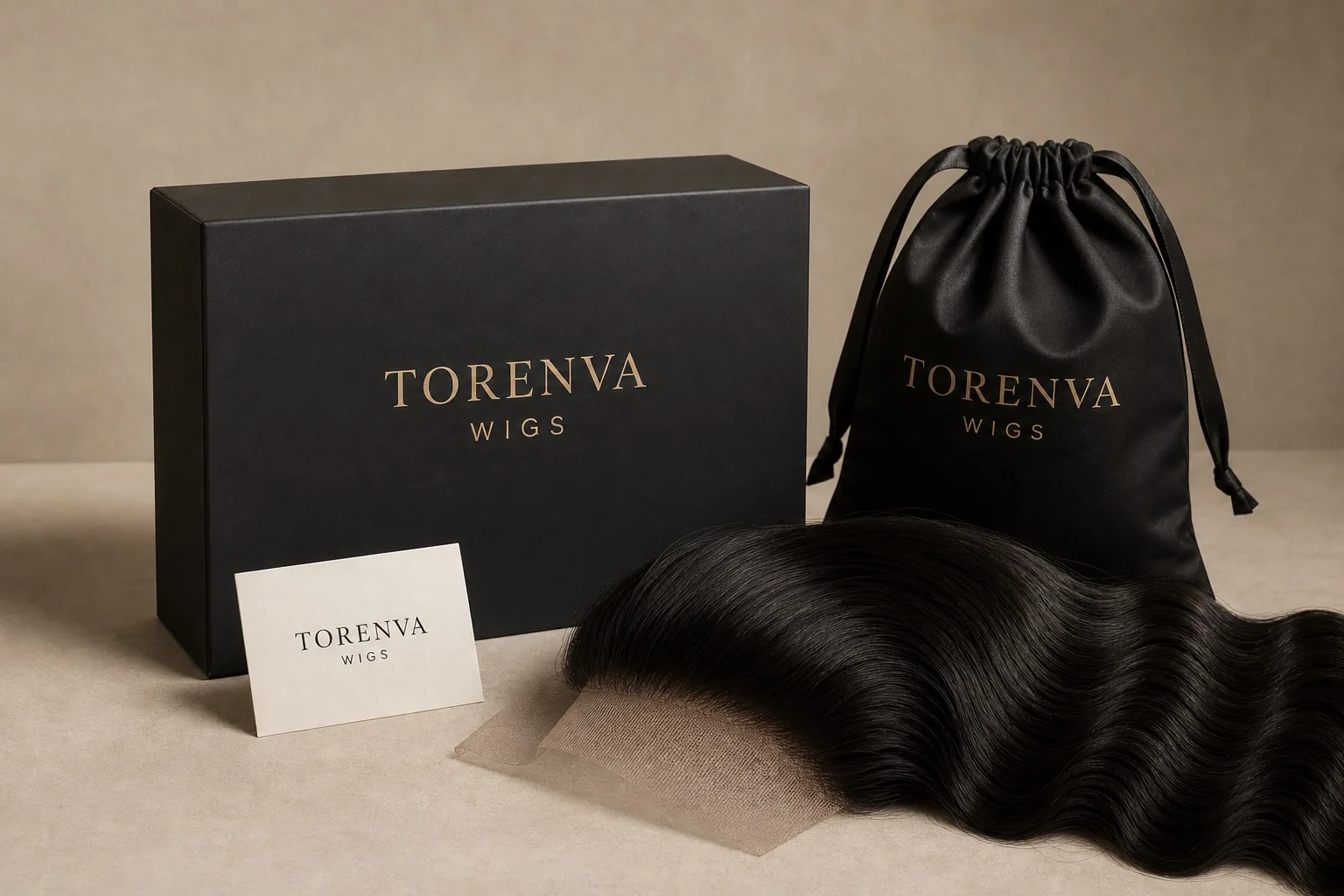
A frontal-wig packaging brief should protect the hairline, parting and finished silhouette. Wig sampling can start from one piece; packaging MOQ and cost are quoted separately by item.
Sample-to-bulk process
Use the manufacturing process to connect the written frontal brief, paid sample, exact evidence views, revisions and approved repeat reference.
Frontal wig FAQ
Direct answers for brands comparing 13×4 and 13×6 coverage, parting, hairline, lace, fit and quotation.
Both are frontal coverage directions. A 13×6 direction is intended to provide a deeper lace and parting area than a 13×4 direction, but the actual outline, depth distribution and frontal-to-cap construction can vary. Approve the selected construction on the paid sample rather than from the size label alone.
Start with the intended part position, parting depth, hairline use and styling references. Then consider lace, cap fit, securing preference, hair distribution and budget for the complete project. There is no universal best size for every collection.
No universal flexibility should be assumed from the 13×6 label. Send the required parting position, usable area and styling reference, then confirm the actual lace outline, cap relationship and finished result in the written sample record.
Yes, HD is an available project direction for 13×4 and 13×6 frontals. The actual lace material, shade, coverage and front result are confirmed for the quotation and assessed on the paid sample rather than assumed from the HD label.
A glueless direction can be discussed, but frontal size does not prove a specific cap, band, comb, adjustment or securing system. Provide measurements and the intended wearing method so the complete fit and construction can be confirmed by project.
Send controlled-light close references for the hairline shape, temple transition, parting and expected preparation. Knot treatment, pre-plucking, baby hair and pre-cut lace are not assumed; the exact preparation must be confirmed in writing before sampling.
Yes. Wig MOQ starts from one piece. A custom sample is usually around seven production days after the written specification and project terms are confirmed; complex color, preparation or construction may require different timing.
Send 13×4 or 13×6 coverage, parting and hairline references, lace material or shade context, cap size or measurements, securing preference, length, density, texture, color, destination, planned quantity and any private-label or packaging request.
Frontal approval evidence
A development image can start the brief. Only the actual paid sample can confirm the frontal outline, usable parting, lace, shade, preparation, cap relationship and completed silhouette.
Project specification
Send what you know. We can clarify missing information before the project is quoted.
Discuss 13×4 or 13×6 as project directions; confirm the actual lace outline and frontal-to-cap relationship for the sample.
Send the intended position, depth and styling reference instead of assuming flexibility from a size label.
HD can be discussed by project. Confirm the actual material, shade and coverage under consistent lighting.
Record the hairline, temple transition, knots and preparation expected; do not assume treatments from the frontal label.
Confirm 100% human hair, regular 10–32 inch length, 150%–250% density, texture, color, cap measurements and securing preference.
Start from one wig sample; approve construction and finish before planned bulk. Quote packaging separately by selected item.
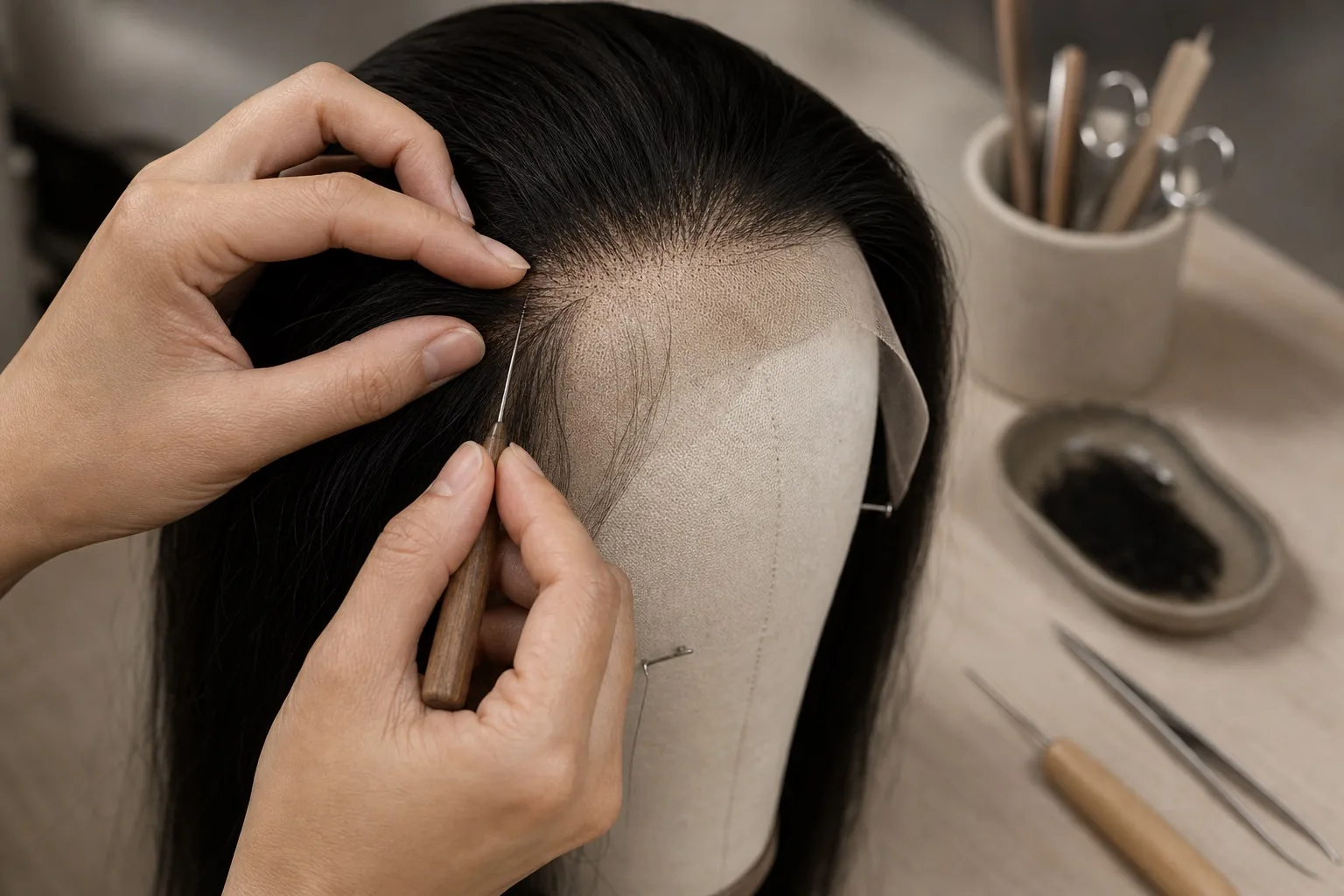
One sample to start
Sample production is approximately seven days after the written specification and payment confirmation. Final timing is stated for the individual quotation, and complex construction or color may require different timing.
Made-to-order enquiry